FREQUENTLY ASKED QUESTIONS
Frequently Asked Questions about Osteopathy
Find answers to the most common questions about osteopathy consultations, assessment, techniques used and bookings. Clinic in Senhora da Hora, Matosinhos, by appointment only.
- Consultations by appointment
- Porto / Matosinhos
Category
The osteopathy consultation
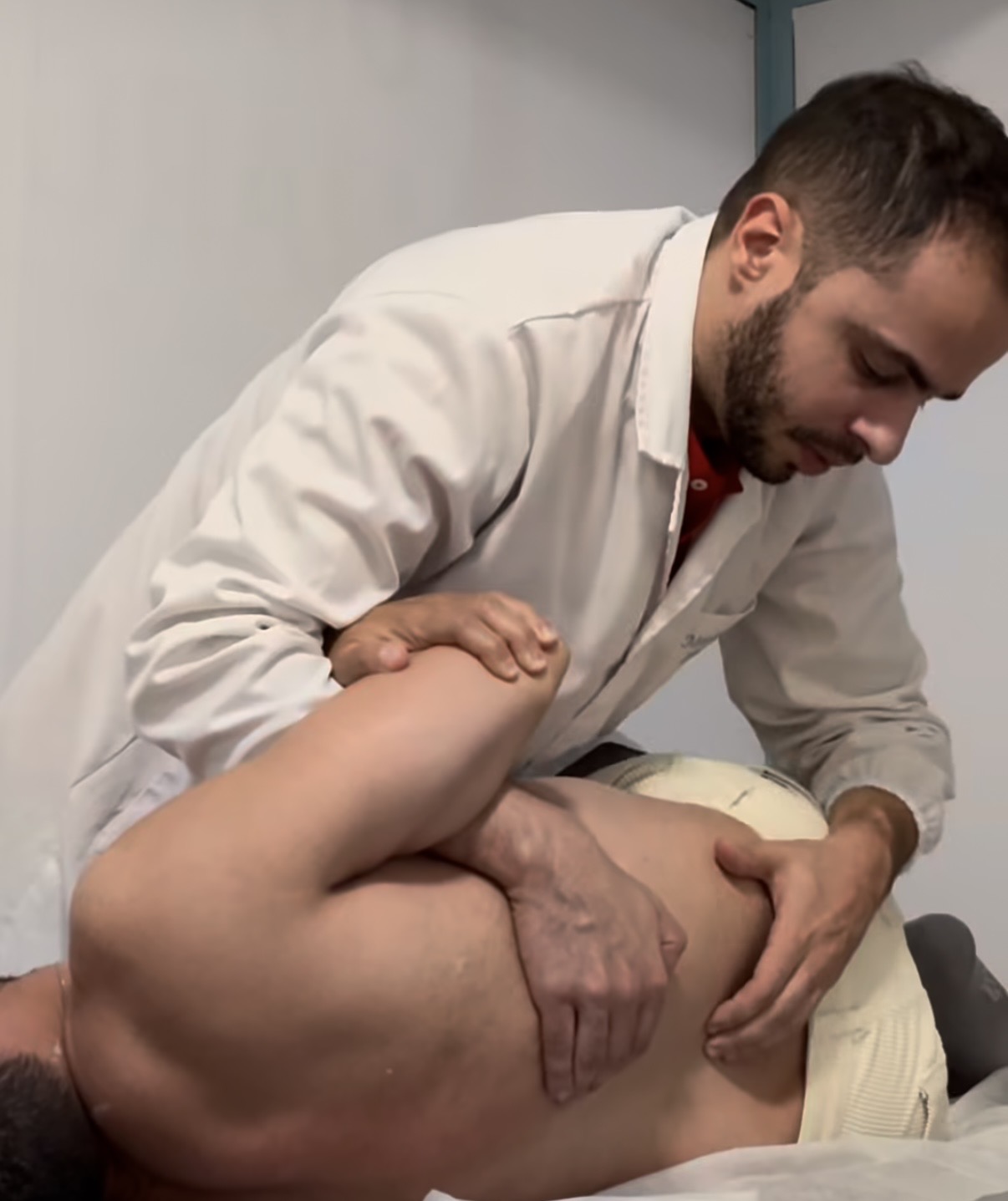
The osteopath carries out an individual assessment, taking into account the clinical history, movement and the musculoskeletal system. Based on this assessment, different manual approaches and complementary techniques may be used, when considered appropriate.
The first consultation begins with a conversation about the reason for the visit, relevant history and other important information. This is followed by an individual assessment and, when appropriate, an approach may be carried out in the same session.
The assessment may include clinical history, observation of movement, musculoskeletal evaluation and tests considered appropriate to the situation presented. The goal is to gather information to decide on the most suitable approach and identify situations that may require referral.
No. The approach is individualised and takes into account the assessment carried out, the person's characteristics, needs, goals and response to the techniques used.
There is no number of sessions suitable for everyone. The need for follow-up depends on the situation presented, its progress and the individual's response. After the assessment, next steps can be discussed.
Techniques are adapted to the person and their tolerance. Some approaches may cause temporary discomfort. Whenever necessary, the technique can be adjusted or stopped.
Category
Techniques and approach
Depending on the assessment, the consultation may include manual therapy, joint mobilisation and other techniques suited to the situation presented. When indicated and with consent, complementary techniques such as dry needling and electrical stimulation may also be used.
No. Dry needling and electrical stimulation are not used automatically. Their use depends on the assessment, the indication for each situation and the person's consent.
Yes. Before any technique is carried out, the relevant procedures are explained and the person's consent is obtained. Any questions can be clarified before or during the consultation.
No. Osteopathy includes different techniques and not all of them produce the so-called joint 'crack'. The choice of technique depends on the assessment and each person's characteristics.
Before any intervention, an assessment is carried out to identify indications, precautions and possible contraindications. Techniques are selected according to the individual situation and, when there are signs that justify assessment by another healthcare professional, referral may be recommended.
Category
Situations and follow-up
Reasons for seeking an assessment include musculoskeletal complaints, neck or low back discomfort, limited movement, shoulder, hip or knee complaints, and situations related to physical activity or sustained posture. Each situation should be assessed individually.
Yes. It is not necessary to know in advance the origin of the complaint. During the consultation, information is gathered and an assessment is carried out to better understand the situation and decide on the most suitable next steps.
Yes. People with persistent musculoskeletal complaints can seek an assessment. The approach depends on the characteristics of each situation and it may be necessary to coordinate with or refer to other healthcare professionals when indicated.
Yes. Physically active people or athletes may seek an assessment due to discomfort, limited movement or other musculoskeletal complaints related to physical activity.
An assessment may be considered when there are musculoskeletal complaints, changes or limitations in movement, or discomfort that interferes with everyday activities. In the case of intense or sudden symptoms, or warning signs, appropriate medical assessment should be sought.
The suitability of osteopathy depends on the individual situation. The initial assessment allows relevant information to be gathered and helps determine whether an osteopathic approach is indicated or whether it is advisable to seek another healthcare professional.
Category
Bookings and practical information
40- and 60-minute consultations are available. The duration chosen should allow the assessment and approach to be carried out appropriately for the needs of the consultation.
Bookings can be made through this website's form or by phone at +351 914 640 127. Consultations are by appointment only.
The clinic is located in Senhora da Hora, Matosinhos, also conveniently accessible for those travelling from Porto. See the Contact page for the location and access information.
Osteopathy and physiotherapy are distinct professions, each with their own framework and approach. The choice should depend on the individual situation and the type of care needed. In some situations, different healthcare professionals may work together in a complementary way.
Osteopathy and chiropractic both use manual approaches, but they are distinct practices. The way the assessment is carried out, the techniques used and the professional framework may vary. The choice should take into account the individual situation and the professional's qualifications.
Although both use very fine needles, they are different techniques. Dry needling is used in the context of a musculoskeletal approach and may be applied as a complement to an osteopathy session, after assessment and with the person's consent. Acupuncture is a practice of Traditional Chinese Medicine, with its own approach and framework. At my clinic, in Matosinhos, I offer dry needling with acupuncture needles and electrical stimulation, not acupuncture consultations. Learn more about Dry Needling with Acupuncture Needles and Electrical Stimulation.
Yes. There is a paediatric osteopathy area, in which the assessment and approach are adapted to the child's age, characteristics and needs. Communication with parents or guardians is part of the consultation. Learn more about Paediatric Osteopathy.