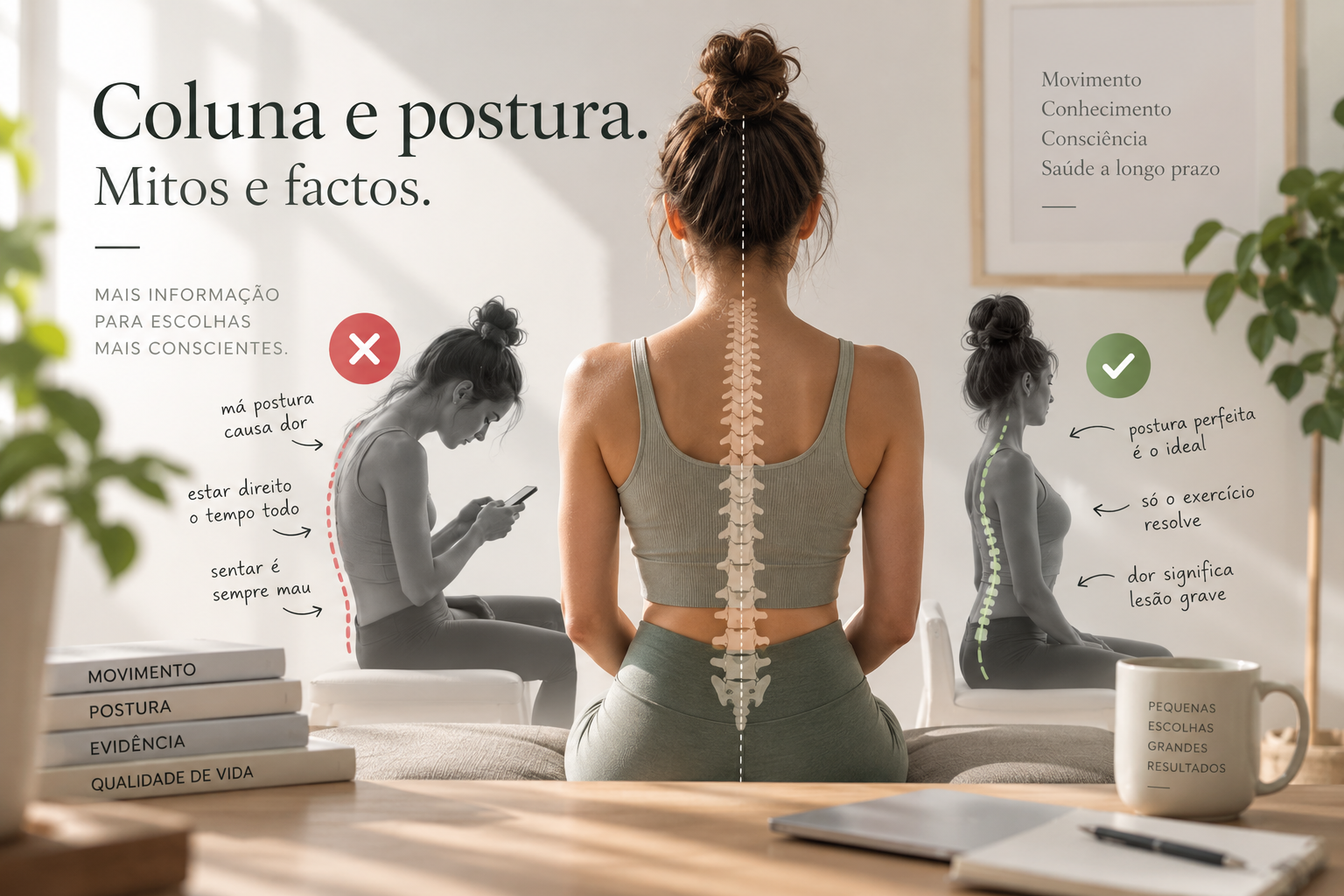
Chiropractic and osteopathy: differences, HVLA techniques and the evidence
Marco Dinis ·

Looking for chiropractic because of back or neck pain, or after seeing a manipulation technique? Chiropractic and osteopathy can use some similar techniques, but they are different practices. A cracking sound alone does not show that treatment was successful.
I am Marco Dinis, an osteopath. This article explains the differences, what HVLA means, and what research can — and cannot — tell us. Choosing a technique should start with an individual assessment, not a search for a crack or a promised outcome.
Chiropractic is a healthcare practice often focused on assessing and managing musculoskeletal problems, particularly those involving the spine. It may include joint manipulation, other manual techniques, exercise and advice. Individual practitioners' approaches vary.
Chiropractic is not synonymous with manipulation: one is a professional practice; the other is a technique also used by appropriately trained professionals in other fields. Claims that a vertebra is ‘out of place’ and needs putting back do not accurately describe most common back pain. [1]
Osteopathy and chiropractic have different training pathways and professional frameworks. Both may use manual techniques and consider movement and function, but assessment and treatment vary between practitioners.
Rather than asking which profession is ‘better’, consider the practitioner's qualifications, the intervention proposed and the reason for it. Studies of spinal manipulation do not establish that one entire profession is superior to another or justify blaming all symptoms on the spine.
HVLA means high velocity, low amplitude: a rapid, small, controlled manual thrust applied to a joint after preparation and assessment. Mobilisation, by comparison, uses movements without this rapid thrust. [1]
A cracking sound may accompany pressure changes and the formation of a gas cavity in joint fluid. It does not prove that a bone has returned to the correct position or that treatment was effective. Improvement can occur without a crack, and a crack without improvement.
The aim may be to influence pain or movement temporarily. This is not a permanent structural correction, a treatment for every cause of symptoms or a guarantee of relief. Not every person or joint needs manipulation.
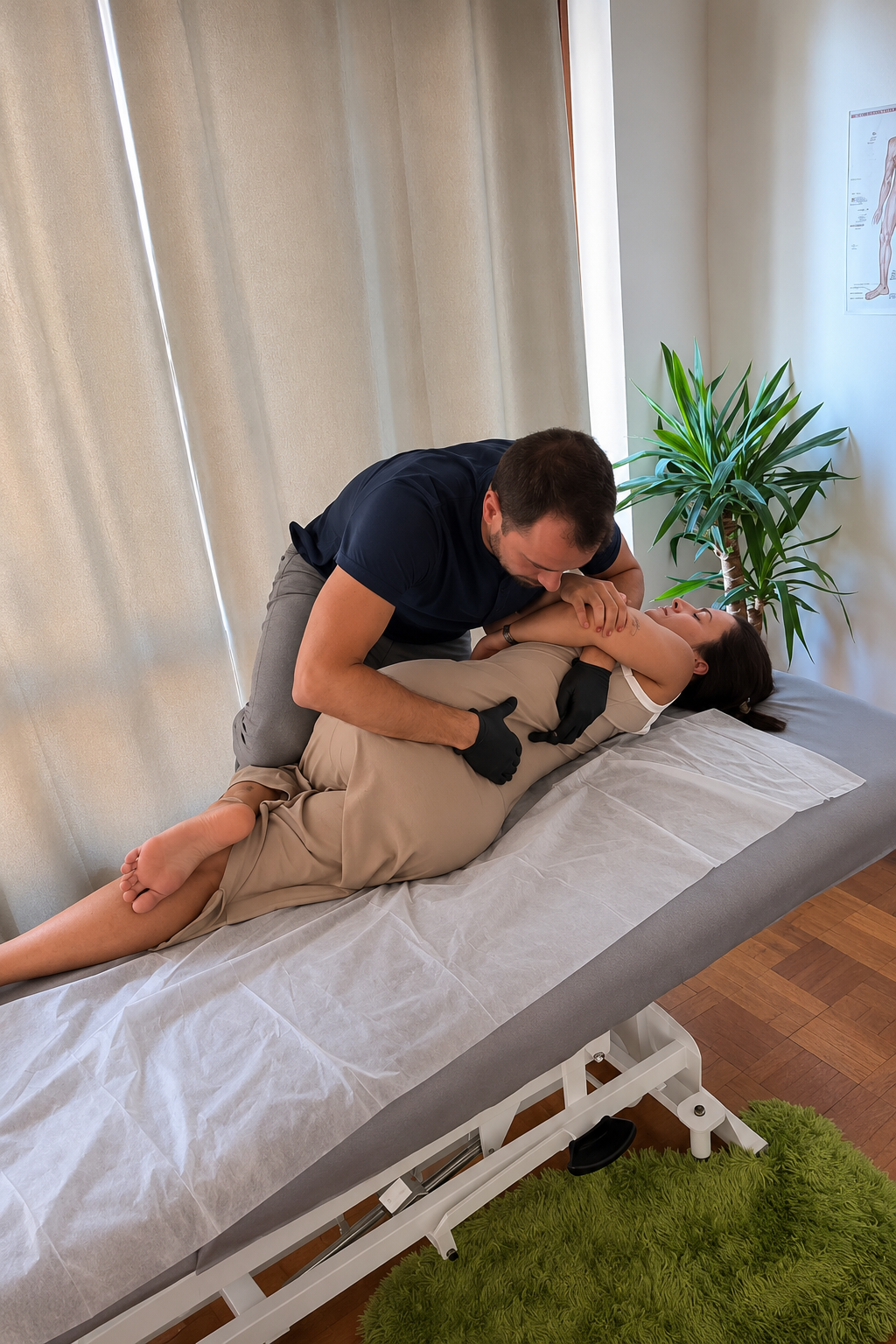
Yes. An appropriately trained osteopath may use HVLA manipulation when assessment, safety and the person's preferences support it. Sharing a technique does not turn an osteopathy appointment into a chiropractic appointment.
Alternatives include mobilisation without a thrust, soft-tissue techniques, exercise and advice. Manipulation is an option, not a requirement. You can decline a technique and discuss other approaches.
For chronic low back pain, a review of 47 trials generally found effects of spinal manipulation similar to those of other recommended treatments. This does not demonstrate superiority over exercise or other appropriate care and does not predict an individual's outcome. [2]
The 2023 WHO guideline allows spinal manipulation as part of care for adults with chronic primary low back pain: a conditional recommendation based on very low-certainty evidence. NICE recommends considering manual therapy for low back pain with or without sciatica only within a package that includes exercise, with or without a psychological approach. [3,4]
These findings apply to the conditions and populations studied. Differences between interventions and outcomes limit conclusions. They cannot automatically be extended to every pain condition, children or non-musculoskeletal disease. Cure, guaranteed relief or lasting results should not be promised.
Temporary soreness or stiffness can follow manipulation. Serious events are considered rare, but their exact frequency is difficult to estimate; small studies without such events do not establish that there is no risk. [1,2]
For neck manipulation, a statistical association with cervical artery dissection has been reported. This arterial injury can cause a stroke. Causation is not established: an evolving dissection can itself begin with neck pain or headache. The AHA/ASA statement recommends informing patients of this possible association before cervical manipulation. [5]
Suspected fracture, infection, instability, substantial bone fragility or neurological changes may make a technique unsuitable and require medical assessment. Sudden unusual head or neck pain, particularly with speech or vision changes, weakness or loss of balance, needs urgent assessment. New loss of bladder or bowel control, genital-area numbness or progressive weakness should not wait for a contact request: seek urgent care; in an emergency, call 112.
I start by understanding symptoms, their progression, health history, affected activities and each person’s goals. Movement assessment and relevant tests help define an approach suited to each situation and determine whether any referral is needed.
Depending on the needs identified, I may use joint mobilisation, soft-tissue techniques or HVLA manipulation, whenever these are considered appropriate and with informed consent. Care may also include exercises and guidance to facilitate a return to everyday activities.
Dry needling and electrical stimulation
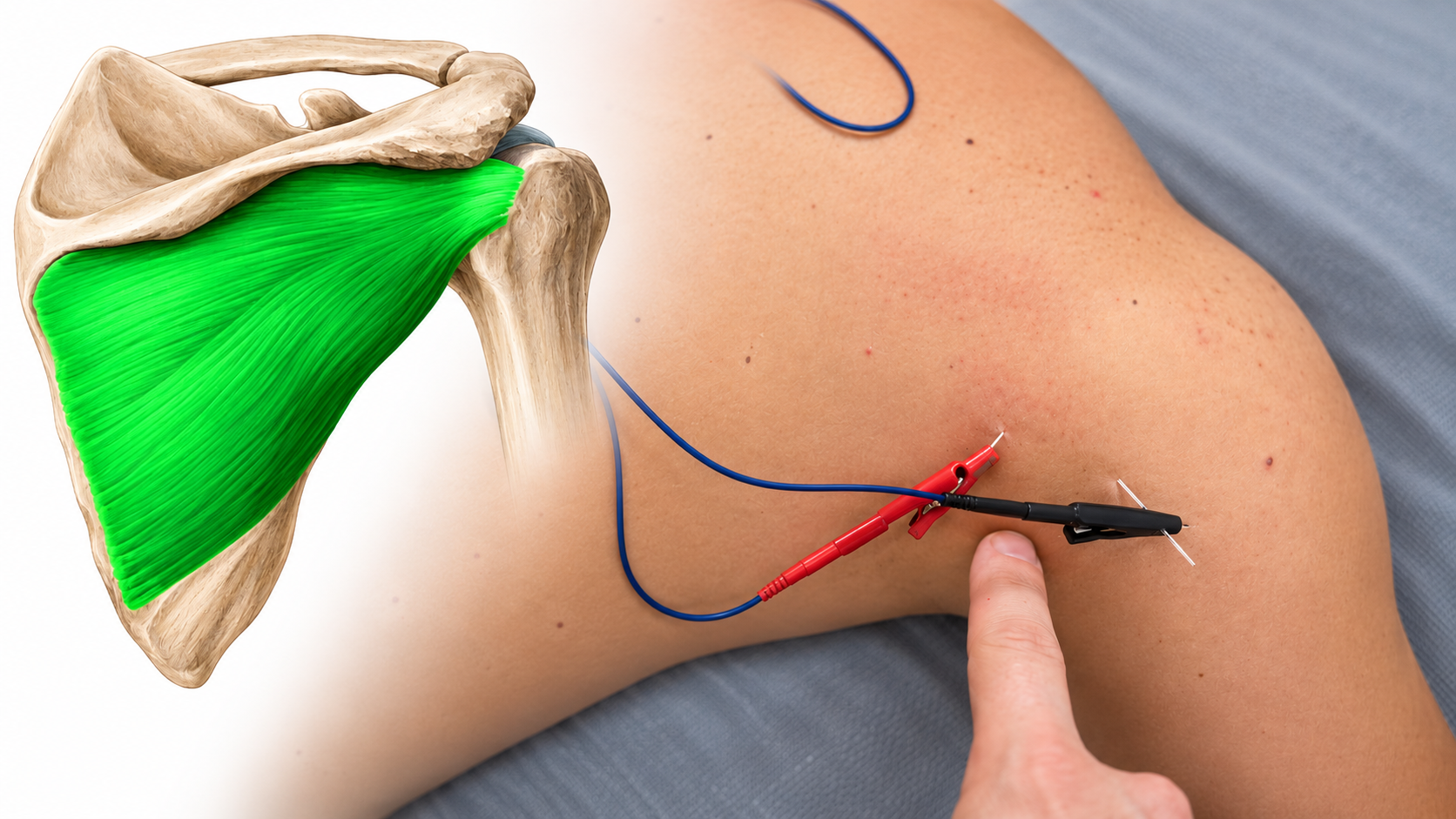
Dry needling, performed with fine needles similar to those used in acupuncture, is one of the techniques I integrate into my clinical practice. Its use may be complemented by electrical stimulation, according to the assessment and each person’s needs.
Throughout my clinical experience, I have used these techniques in different situations involving muscle pain and chronic pain, supporting people who achieved significant symptom relief and improvements in comfort and function.
The choice of this approach always depends on each case, the individual assessment and the response to treatment. It is not a technique needed by everyone, but it can be an important complementary tool when there is an indication for its use. [6]
An appointment begins with a discussion and assessment. I explain the findings, available options, expected benefits, uncertainties and relevant risks. Decisions are shared: you can ask questions, decline or stop a technique.
Consent is more than a signature. It means understanding alternatives, including not having manipulation, and deciding without pressure. I reassess the response and adjust the plan where needed; no session count or recovery time can be guaranteed for everyone.
Chiropractic and osteopathy: frequently asked questions
- 1. NCCIH. Spinal Manipulation: What You Need To Know.
- 2. Rubinstein SM et al. Benefits and harms of spinal manipulative therapy for the treatment of chronic low back pain. BMJ. 2019;364:l689. DOI: 10.1136/bmj.l689.
- 3. WHO. WHO guideline for non-surgical management of chronic primary low back pain in adults in primary and community care settings. 2023.
- 4. NICE. Low back pain and sciatica in over 16s: assessment and management. NG59, recommendation 1.2.7.
- 5. Biller J et al. Cervical arterial dissections and association with cervical manipulative therapy. Stroke. 2014;45:3155–3174. DOI: 10.1161/STR.0000000000000016.
- 6. Hu HT et al. Is dry needling effective for low back pain? A systematic review and PRISMA-compliant meta-analysis. Medicine. 2018;97:e11225. DOI: 10.1097/MD.0000000000011225.